What is the Social Enterprise Loop (SE Loop)?
The Social Enterprise Loop is an adaptation of the SME Loop approach, designed for the support of social enterprises. It therefore also includes seven phases (see figure below). The implementation of a full Social Enterprise Loop cycle lasts six months (without the preparatory phase).
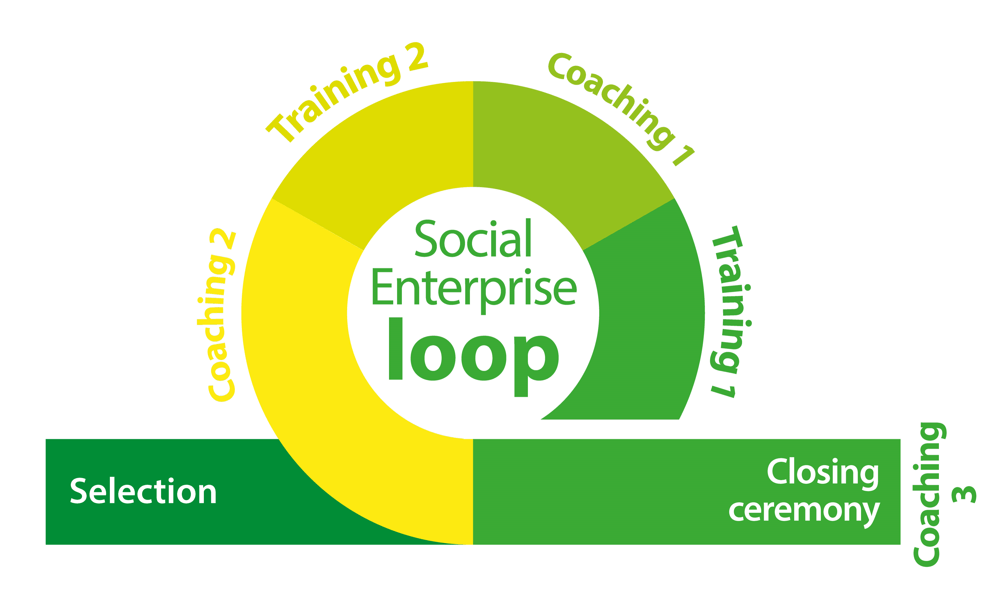
Cycle of trainings and coachings in the Social Enterprise Loop © GIZ
What is a social enterprise?
The main objective of a social enterprise is to generate a social or environmental impact through its economic activity, the profits made being used mainly to finance the pursuit of this objective. With its focus on impact and its ability to generate its own income, this model has since been acknowledged for its ability to be self-financing and to contribute to the sustainable development goals (SDGs) through entrepreneurship.
How is the Social Enterprise Loop different from the SME Loop?
In order to take into account the specifics of the support of social enterprises, several tools and training modules have been developed and adapted.
Selection & ME: Selection criteria specific to social entrepreneurship & adapted monitoring and evaluation
Additionnal training modules:
- Introduction to Social Entrepreneurship and Social Economy
- Social Enterprise business model
- Impact measurement
- Business cooperation
- Legal status of social enterprises
- Social entrepreneurship and corporate social responsibility
- Circular economy and sustainability
Coaching: Adapted criteria and tools for supporting social enterprises, including specific tools on impact assessment, access to financing for social enterprises etc.
What is the target group?
The target group for the support are small and medium-sized social enterprises throughout different sectors. As defined above, these companies aim to provide solutions to a social or environmental challenge or need, which can be categorized according to the following aspects:
- Inclusive (Inclusion of certain groups (employees, customers)
- Social (impact on employees/members/adherents)
- Solidarity (impact on third parties/a target group external to the organization)
- Green Businesses (positive or neutral impact on the environment)
The main objective of a social enterprise is thus to generate a social or environmental impact through its economic activity, the profits made being used mainly to finance the pursuit of this objective.
Some results
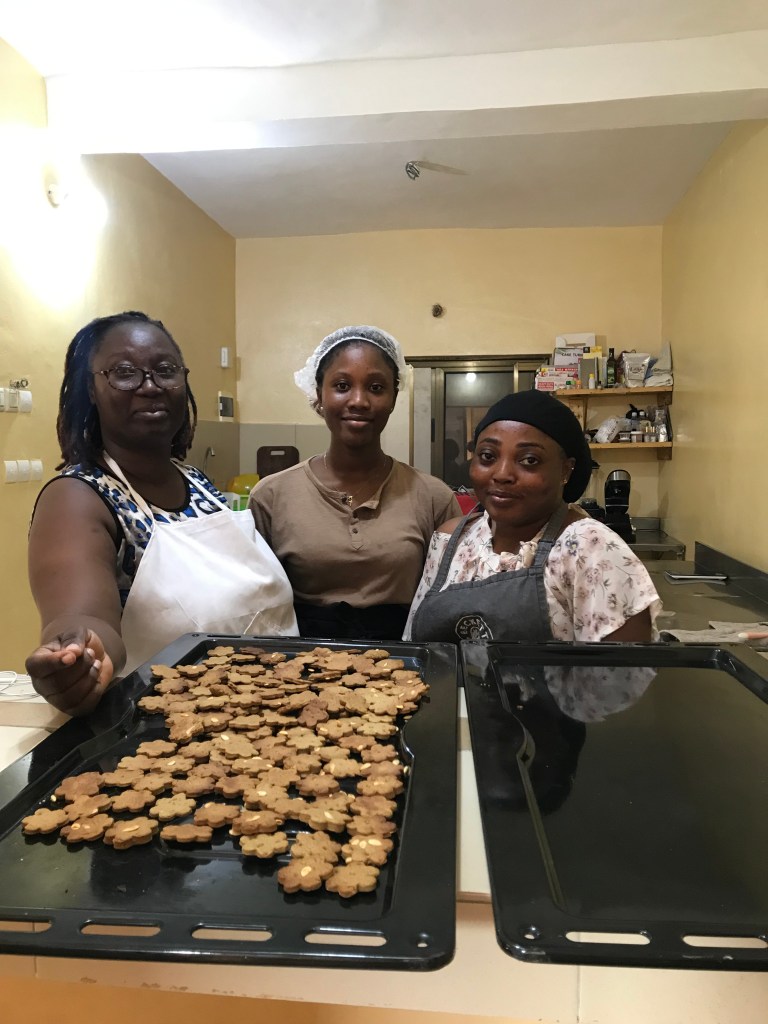
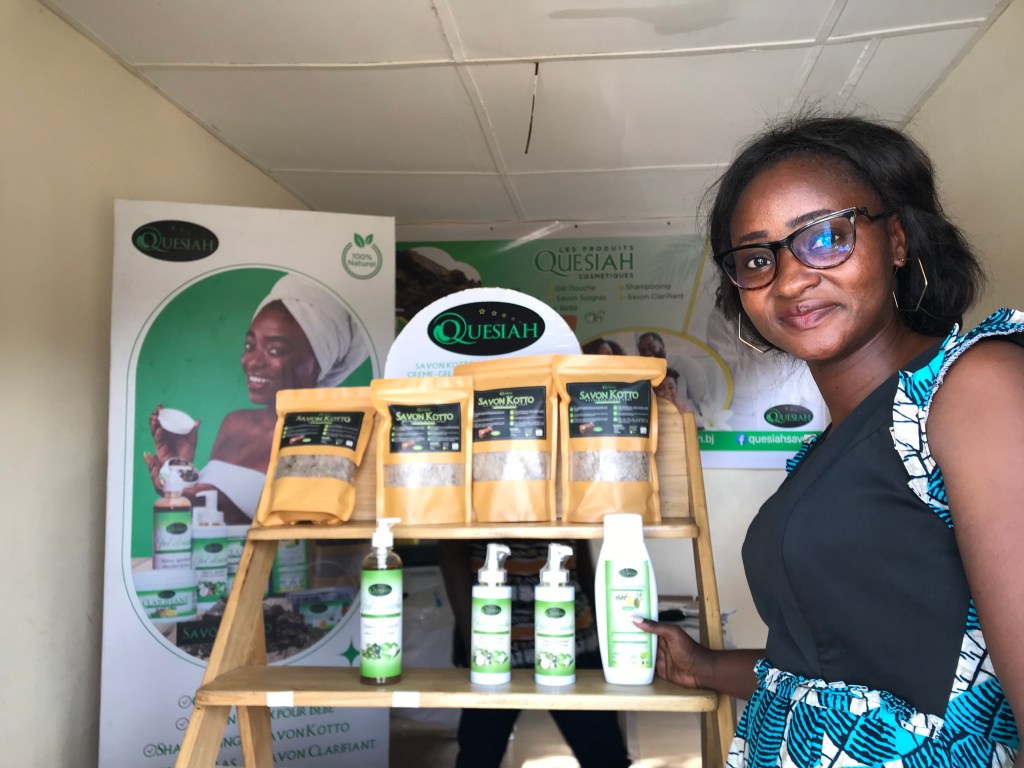
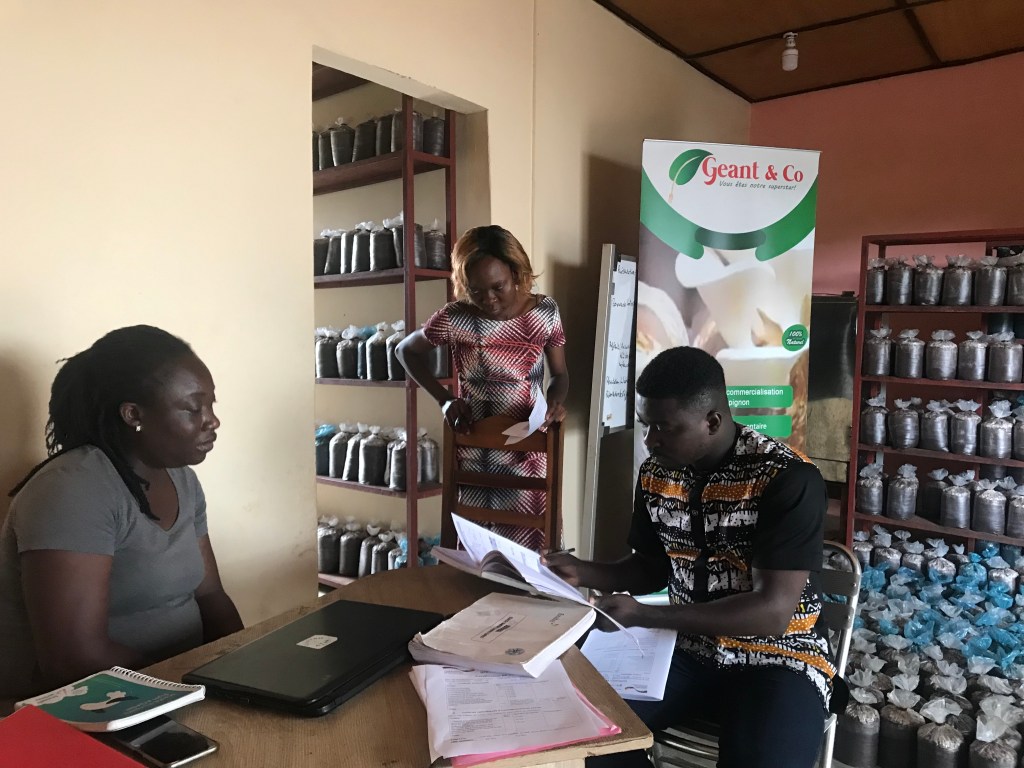
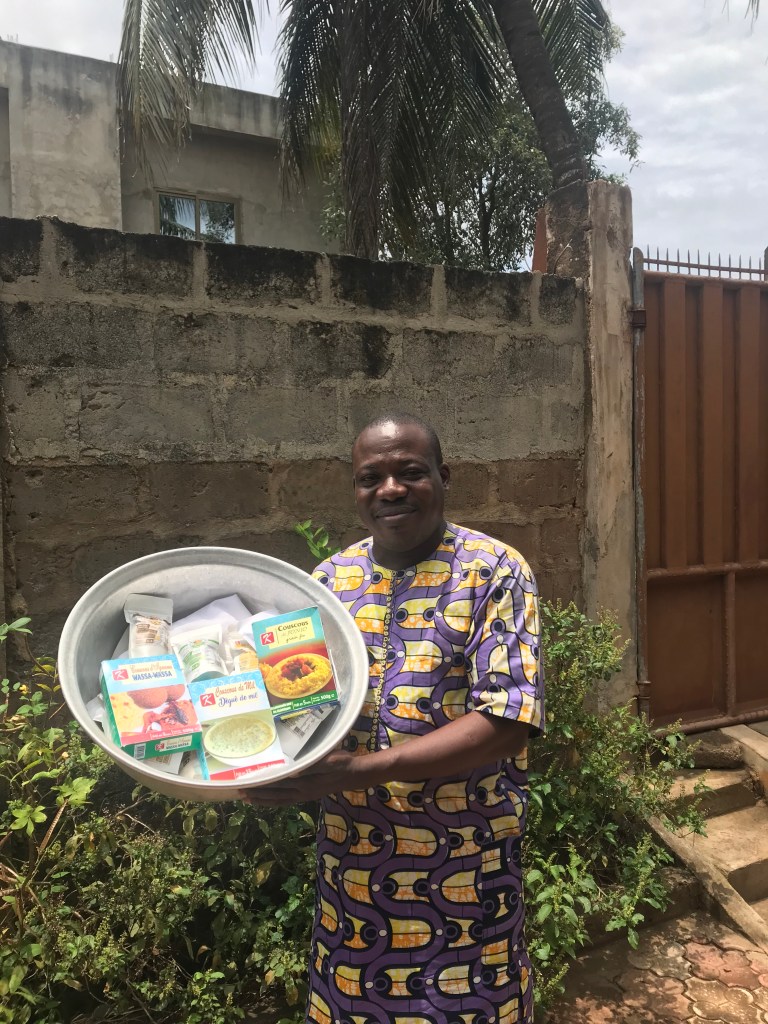
The support programme was developed in 2022 and piloted for the first time in Benin from February to August 2023 with 10 social enterprises, 50% of which were run by women.
- Turnover increased by an average of 93% at the end of the support.
- 14 jobs were created, 4 of them permanent
- 4 businesses have made investments totalling more than 16 million CFA francs (approx. 24.300 euros), and one business has received a loan of 14 million CFA francs (approx. 21.300 euros).
 International SME Loop Association e.V.